What Is AAPI Heritage Month?
Asian American and Pacific Islander Heritage Month is observed every May in the United States. It honors the contributions, histories, and cultures of Asian Americans, Native Hawaiians, and Pacific Islanders, a community spanning more than 50 ethnic groups and 100 languages across East Asia, Southeast Asia, South Asia, and the Pacific Islands.
The month has federal roots going back to 1978, when Congress first designated the first ten days of May as Asian/Pacific American Heritage Week. It was expanded to a full month in 1992. May was chosen to commemorate two dates: the arrival of the first Japanese immigrants to the United States on May 7, 1843, and the completion of the transcontinental railroad on May 10, 1869, a project built in large part by Chinese laborers, many of whom were never fully recognized for their contributions.
In 2026, AAPI Americans represent over 24 million people in the U.S. workforce. There are more than 3 million AAPI-owned businesses operating across the country, according to the U.S. Chamber of Commerce.
Why It Matters at Work
AAPI employees face a specific set of workplace challenges that Heritage Month puts a spotlight on, and that HR leaders are increasingly expected to address.
Despite being the fastest-growing racial group in the U.S., AAPI professionals are significantly underrepresented in senior leadership. Research consistently shows that AAPI workers face the "bamboo ceiling", a term describing the structural and cultural barriers that prevent AAPI employees from advancing into executive roles, even when their qualifications match or exceed their peers.
The "model minority" myth compounds this. The assumption that AAPI employees don't need support because they're stereotyped as high-achieving and self-sufficient makes it easier to overlook real gaps in representation, pay equity, and psychological safety. It also masks the diversity within the AAPI community itself. The experiences of a Hmong refugee family and a third-generation Japanese American are not interchangeable.
Since 2020, anti-AAPI hate incidents have been extensively documented by Stop AAPI Hate, with significant impact on how AAPI employees feel about their safety and sense of belonging at work. Workplaces that acknowledge this context, rather than treating Heritage Month as purely celebratory, signal something important to their AAPI employees: we see what's happening, and we're paying attention.
What that looks like in practice doesn't have to be complicated. It starts with intention.
9 Ways to Celebrate AAPI Heritage Month at Work
1. Let AAPI Employees Lead
The most common mistake companies make during heritage months is designing programs about a community without involving that community in the planning. If you have an AAPI employee resource group (ERG), put them in the driver's seat. Give them budget, time, and visibility.
If you don't have an AAPI ERG, Heritage Month is a natural moment to ask whether there's interest in starting one. Don't mandate it. Invite it. Some AAPI employees may want to participate in planning; others may prefer to simply be recognized without being asked to represent their entire community.
2. Host a Speaker or Panel
Bring in an AAPI author, entrepreneur, historian, or community leader to speak to your team. Format options vary widely: a lunch-and-learn, a virtual panel, an interview-style conversation. The key is to choose speakers who offer genuine depth, not just a familiar name.
Organizations like Stop AAPI Hate and Asian American advocacy nonprofits can help connect companies with speakers and resources. If budget is limited, internal speakers (AAPI employees willing to share their stories) can be equally powerful, provided participation is genuinely voluntary.
3. Launch an AAPI Book Club
One of the most lasting ways to celebrate AAPI Heritage Month is to build a reading habit that extends well beyond May. Consider starting a company-wide book club centered on AAPI authors, or even better, let employees choose their own book.
Goody's Featured AAPI Authors collection makes this easy: you set a budget, and employees pick the AAPI book that resonates with them, from their desk, in seconds, with no address required. It's a low-effort program that puts real choice in employees' hands and signals that learning about AAPI culture and history is valued year-round.
A few starting points worth knowing: Minor Feelings: An Asian American Reckoning by Cathy Park Hong is a landmark work of AAPI literature. The Sympathizer by Viet Thanh Nguyen won the Pulitzer Prize. Interior Chinatown by Charles Yu won the National Book Award. For film, the PBS Asian Americans documentary series and the Criterion Collection's Asian cinema offerings are widely cited. For podcasts, They Call Us Bruce and The Asian Enough Podcast offer frank, contemporary conversations about the AAPI experience.
4. Organize a Cultural Food Experience
Food is one of the most accessible entry points to cultural understanding. Consider organizing a team lunch featuring cuisines from across the AAPI spectrum: Japanese, Korean, Filipino, Vietnamese, Indian, Hawaiian, and more. Work with AAPI-owned local restaurants where possible.
For remote and hybrid teams, a virtual cooking class led by an AAPI chef is increasingly easy to organize through platforms like Virgin Experiences or local cultural organizations. Gifts from AAPI-founded food brands are also a natural complement. Pantry staples from brands like Cabi Foods, Fly By Jing, or Copper Cow Coffee give employees something to take home that connects to the day's theme. More on those below.
5. Spotlight AAPI Employees and Colleagues
With permission, create a communication series that highlights AAPI employees' stories, backgrounds, and contributions. Internal newsletters, Slack spotlights, or short video features work well. Keep the framing respectful: the goal is visibility, not tokenism.
The distinction matters. Spotlighting someone's professional accomplishments alongside their background is meaningful. Asking an AAPI employee to explain their cultural identity to their colleagues can cross a line. When in doubt, let AAPI employees set the terms of how they're featured.
6. Send Gifts From AAPI-Founded Brands
One of the most concrete ways companies can support the AAPI community is economic. Take stock of whether your vendor, supplier, or gifting spend includes AAPI-owned businesses. If not, Heritage Month is a practical time to identify gaps and make changes.
This extends to corporate gifting specifically. Choosing to send gifts from AAPI-founded brands, rather than defaulting to the same catalog of mainstream options, sends a visible, material signal about whose businesses you support. (More on this below.)
Miki Nomura and Eri Miyagi, co-founders of Cabi Foods, an AAPI-founded Japanese pantry brand on Goody, put it directly: "We would want them to see it as a way to direct spending with intention. It's not just a seasonal gesture, but a way to support businesses that are actively carrying culture forward in a real and lived way." Especially in Japanese food and craft, they note, there's a tendency for cultural products to become commodities or aesthetics. Behind each product are people, decisions, and lived experiences shaping it. "When companies choose to source from brands like ours, they're helping share that fuller story."
7. Run an AAPI History and Culture Trivia Event
An AAPI-themed trivia session is a team-building format that's simultaneously educational and fun. Questions spanning AAPI history, art, cuisine, and cultural contributions across East Asia, Southeast Asia, South Asia, and the Pacific Islands can surface knowledge gaps in a low-stakes, engaging way.
Platforms that specialize in virtual cultural events offer hosted AAPI trivia experiences designed specifically for workplace teams. This format works especially well for larger, distributed teams where a shared, interactive activity can cut across time zones and office locations.
8. Make a Charitable Donation in the Team's Name
Giving teams the option to direct a donation to an AAPI-serving nonprofit adds purpose to the recognition. Two standout organizations are available directly through Goody's charity catalog:
- Stop AAPI Hate: grounded in the belief that racism must be confronted at its root through community organizing, research, and advocacy.
- The Asian American Foundation (TAAF): a national nonprofit promoting safety, belonging, and prosperity for the 25 million AAPIs across the country, with programs spanning education, leadership, and community safety.
With Goody, employees can receive a gift and, if they have a few dollars left over after choosing a gift, donate them to an AAPI-related charity of their choice, a small touch that makes the recognition feel meaningfully connected to the moment.
Some companies also match employee donations during heritage months as a show of institutional commitment. Even a modest matching program signals that the company's investment in the community extends beyond May.
9. Update Your Hiring and Advancement Practices
Heritage Month is also a useful forcing function for HR teams to examine their own data. How are AAPI candidates represented in your talent pipeline? How do AAPI employees' promotion rates compare to their peers? Are there structural factors like networking culture, sponsorship gaps, or language and communication style biases limiting AAPI advancement at your company?
Recognition matters. So does systemic change. The most meaningful AAPI Heritage Month programs pair visible celebration with a quiet look at where the organization actually stands.
The Best Way to Gift for AAPI Heritage Month: Let Employees Choose from AAPI-Founded Brands
The coolest way to show up for AAPI Heritage Month through gifting is Goody's AAPI Gift of Choice: a curated collection of gifts exclusively from AAPI-founded brands, where your recipients get to pick what resonates with them.
Here's how it works: you set a price point, send to your team (no addresses needed), and each recipient chooses a gift from the collection of trendy AAPI-founded brands. The price is never shown to the recipient. If they have a few dollars left over after choosing, they can even donate the remainder to an AAPI-related charity of their choice.
It's a format that respects individual preference, puts AAPI founders' businesses front and center, and removes all the logistical friction of bulk gifting.
AAPI-Founded Brands on Goody Worth Spotlighting
Browse the full AAPI category on Goody to see the complete collection. Here are a few standout brands:
Cabi Foods
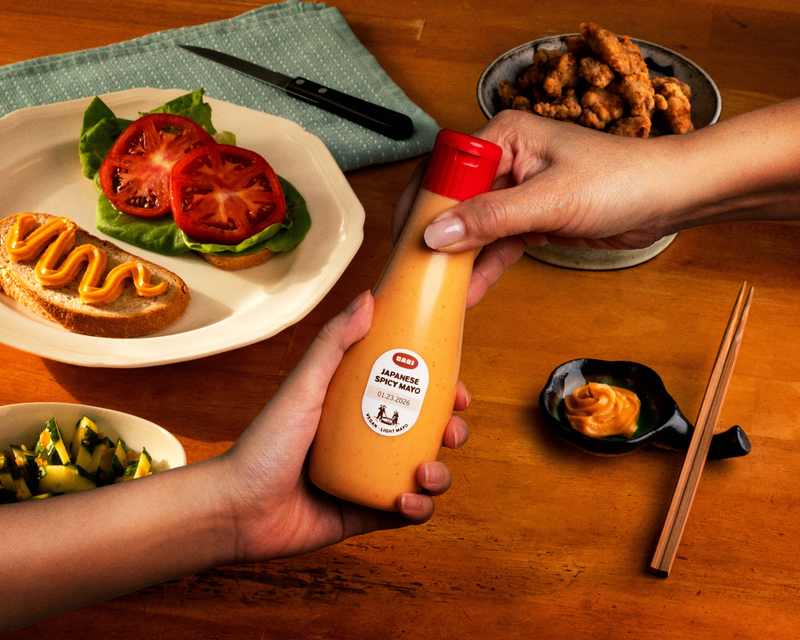
Cabi Foods was founded by Miki Nomura and Eri Miyagi, two Japanese immigrant co-founders who built the brand around an everyday Japanese approach to flavor: iterative, intentional, and ingredient-forward. Growing up in Japan, they describe a deep respect for process and the idea that small details compound over time. Cabi brings that same mindset to how they source and develop products, translating an authentic Japanese pantry sensibility into something relevant and usable for how people actually cook in the U.S.
On what that purchasing decision means to them: "When someone chooses to buy from us, they're not just buying something 'Japanese-inspired.' They're supporting a perspective shaped by actually living between those two places." For HR and People Ops leaders specifically, they frame it as directed spending rather than a seasonal gesture: something that has "context, care, and a real connection behind it."
There's also a broader dimension to it. In Japan, where parts of the population are shrinking, sustaining interest in traditional producers, techniques, and craftsmanship is genuinely important. Buying from founders who carry those roots directly supports those systems and relationships.
Budget: $25-$60
Fly By Jing
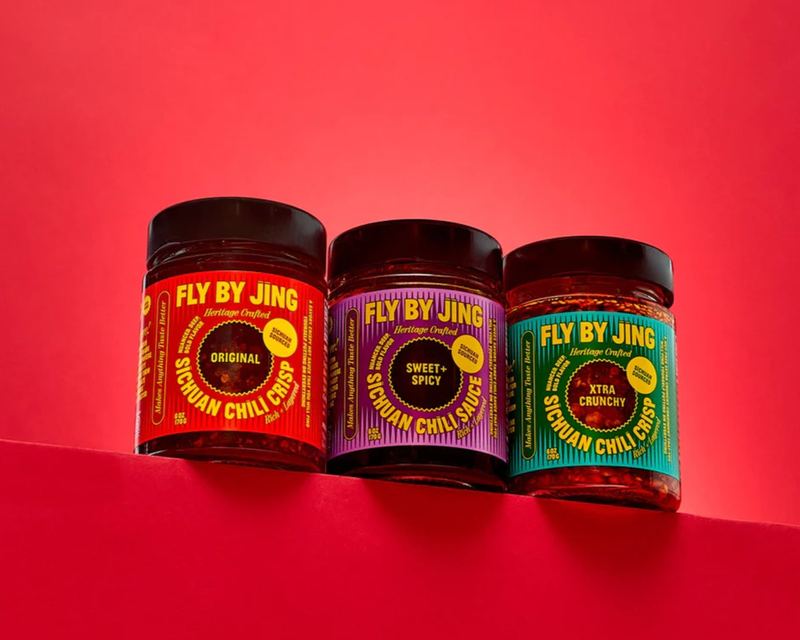
Fly By Jing was founded by Jing Gao, a Chinese-American entrepreneur whose Sichuan chili crisp became one of the most talked-about food products in the U.S. Rooted in the bold, complex flavors of Chengdu, the brand's sauces and noodles bring authentic Sichuan cooking into everyday kitchens. The Triple Threat Gift Box (Fly By Jing's three best-selling Sichuan sauces in gift-ready packaging) is one of the most memorable food gifts on Goody.
Budget: $40-$65
Our Place

Our Place was co-founded by Shiza Shahid, a Pakistani-American entrepreneur and co-founder of the Malala Fund. The brand's design-forward cookware, including the iconic Always Pan 2.0 and Perfect Pot, has become a staple of modern kitchens. For a team where a premium, functional gift makes a statement, Our Place is a strong choice.
Budget: $85-$195
Bokksu
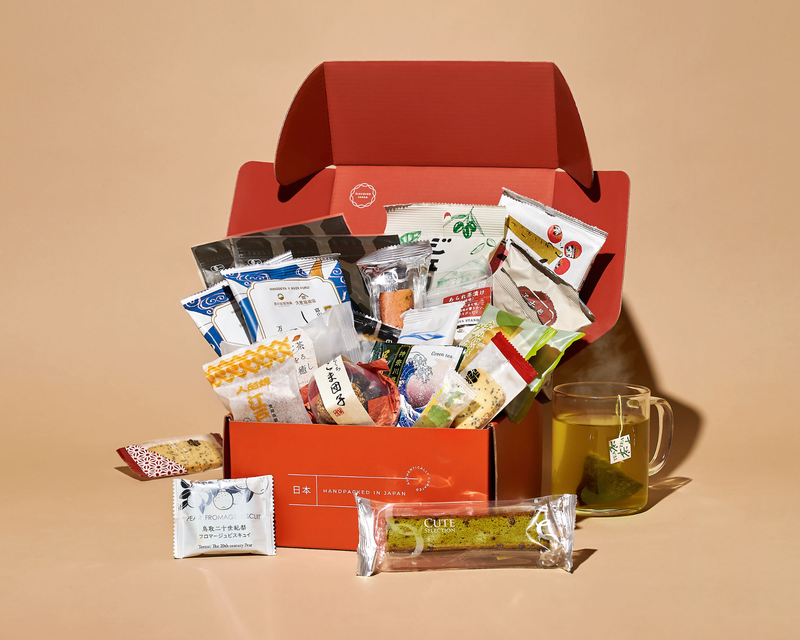
Bokksu was founded by Danny Taing, a Cambodian-American entrepreneur who built the brand around his deep love for authentic Japanese snacks and teas sourced directly from artisanal makers across Japan. The Monthly Theme Snack Box is a genuinely fun team gift that travels well and delights people who have never encountered the brands inside.
Budget: $40-$60
Copper Cow Coffee
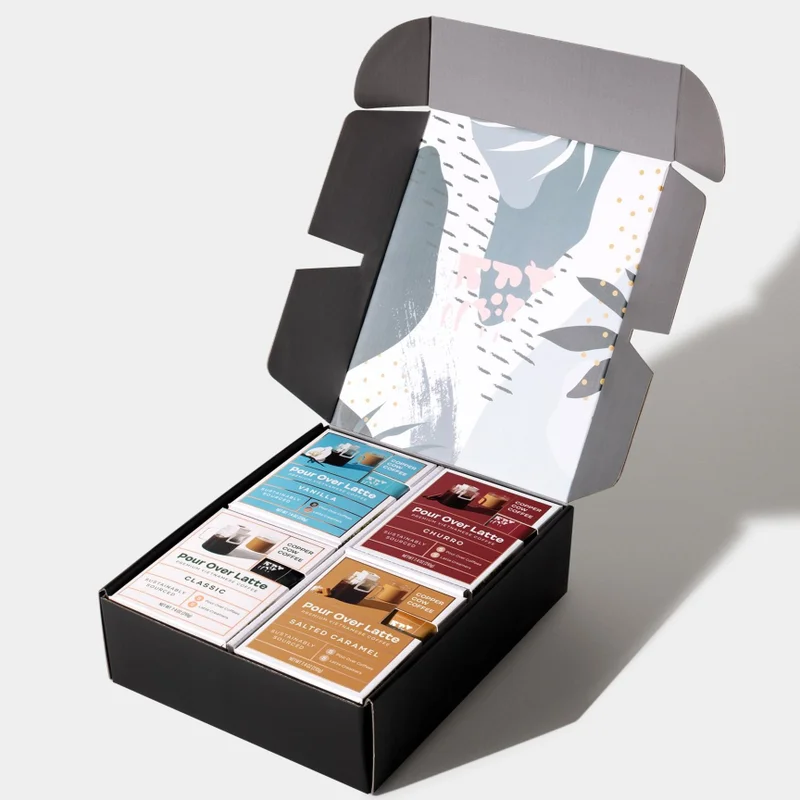
Copper Cow Coffee was founded by Debbie Wei Mullin, a Vietnamese-American entrepreneur who built the brand to share her heritage through single-serve Vietnamese-style lattes. The Latte Gift Set, with flavors including classic, vanilla, and churro, is a thoughtful, caffeinated gift that introduces employees to a morning ritual rooted in Vietnamese coffee culture.
Budget: $25-$55
Brightland
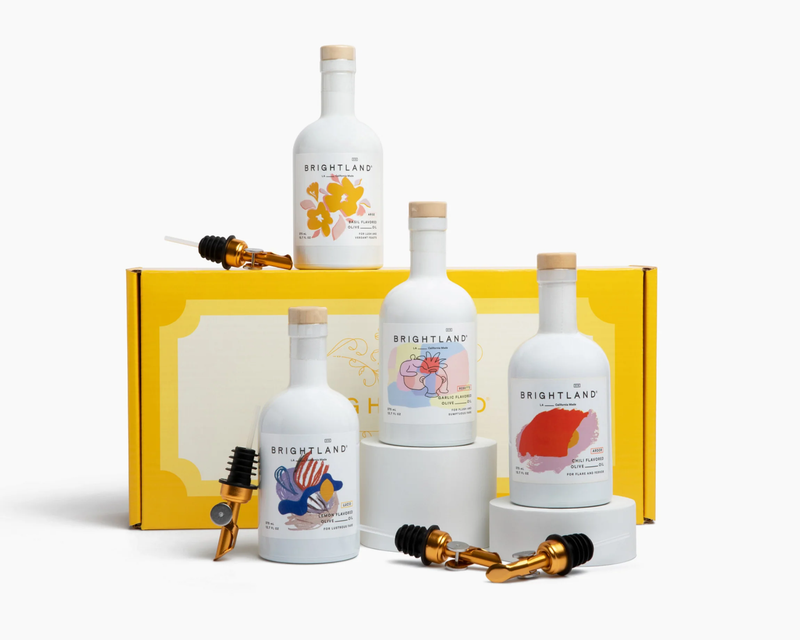
Brightland was founded by Aishwarya Iyer, whose family were salt farmers in South India. Iyer built the brand around elevated pantry staples: small-batch, cold-pressed olive oils and vinegars sourced from family farms in California. The Artist Series Olive Oil Gift Set is one of Goody's most-gifted food items: four flavor-infused oils in beautiful packaging, with a design-forward presentation that feels considered rather than corporate.
Budget: $40-$90
Dagne Dover
Dagne Dover was co-founded by Deepa Gandhi, who brings a perspective shaped by her background as a first-generation Indian-American. The brand makes thoughtfully organized bags, totes, and backpacks designed with the modern professional in mind. For teams where a premium, functional gift is appropriate, Dagne Dover is a standout choice.
Budget: $75-$200
Alice Mushrooms
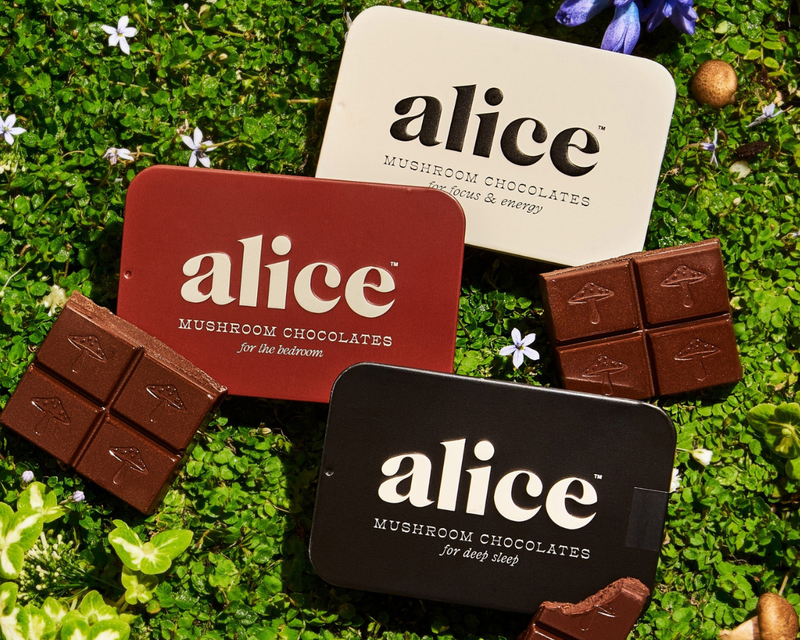
Alice Mushrooms brings adaptogenic wellness, rooted in traditional Eastern medicine, into modern chocolate form. The Discovery Set (Brainstorm, Nightcap, Happy Ending) is a fun, functional gift that bridges culture and wellness in a way that's genuinely novel.
Budget: $45-$65
How to Send AAPI Heritage Month Gifts to Your Whole Team
For distributed and remote teams, the usual logistics challenge of collecting home addresses and managing shipping across locations doesn't have to be an obstacle.
With digital gifting, the process is:
- Choose your gift. A single item, the AAPI Gift of Choice collection, or a Custom Collection where you curate a menu of AAPI-founded gifts and employees choose what resonates with them.
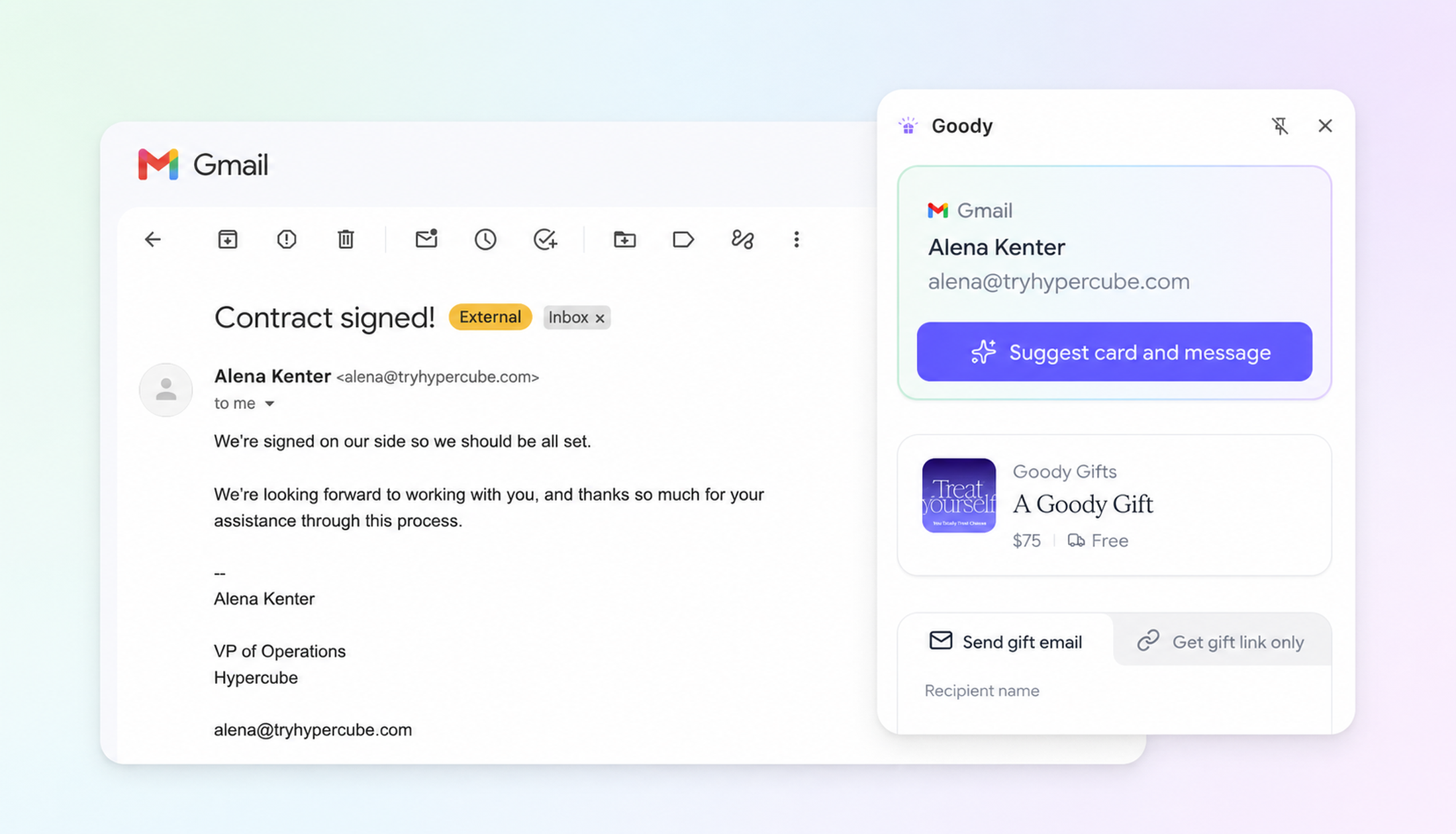
- Upload your recipient list. Name and email only. No home addresses needed. Recipients enter their own shipping address when they claim their gift.
- Add a note. A brief acknowledgment of AAPI Heritage Month in the card message adds context to the gesture and makes it feel intentional rather than incidental.
- Send. Recipients are notified by email or SMS instantly. For global teams, Goody ships to 140+ countries.
There's no platform fee to get started. Sign up free and send your first gift today, whether it's going to a team of 10 or an organization of thousands.
FAQs
When is AAPI Heritage Month?
Every May. Asian American and Pacific Islander Heritage Month has been observed annually in the United States since 1992. The month was chosen to mark the anniversary of the first Japanese immigrants arriving in the U.S. and the completion of the transcontinental railroad, built with significant contributions from Chinese laborers.
What does AAPI stand for?
AAPI stands for Asian American and Pacific Islander. The community encompasses more than 50 ethnic groups from East Asia (China, Japan, Korea), Southeast Asia (Vietnam, the Philippines, Thailand, Indonesia), South Asia (India, Pakistan, Bangladesh), and the Pacific Islands (Hawaii, Samoa, Guam, Tonga). It is one of the most ethnically and culturally diverse communities in the United States.
How can companies celebrate AAPI Heritage Month authentically?
The most effective programs involve AAPI employees in the planning from the start. Genuine recognition is built on listening to what AAPI employees actually want, what would feel meaningful versus performative, and where the organization has real room to improve. Celebration paired with an honest internal audit of AAPI representation and advancement is more credible than a month of events with no lasting change behind them.
Are Heritage Month gifts tax-reportable?
Physical gifts in the typical $50-$100 range are generally treated as de minimis fringe benefits and do not require tax reporting. Gift cards, however, are always treated as taxable income to the employee regardless of denomination. Goody's employee gift tax guide covers this in detail.
Can I send gifts to remote and international employees?
Yes. Goody works identically for remote and in-office employees — recipients always enter their own shipping address, so there's no operational difference. For global teams, Goody ships to 140+ countries.
AAPI Heritage Month is an opportunity — not just to celebrate, but to listen, learn, and make visible commitments that outlast May. The companies that do it well tend to do three things: involve AAPI employees in the process, pair recognition with accountability, and find ways to put their spending and their sourcing in alignment with their stated values.
A gift is one small part of that. Used well, it's a concrete signal. Explore AAPI-founded gifts on Goody, or sign up free to get started today.